


Analyzing the Book of Kings slot is a practice in understanding the delicate balance between bare simplicity and intense emotional depth. As a critical analyst, I consider each game by analyzing its workings, design, and the emotional experience it builds. This certain slot, a fixture in many digital casinos, appears as a straightforward classic. Yet, to write it off as such would be to neglect the subtle emotional journey it can create for a committed player. The adventure is not one of theatrical display, but of a concentrated, almost reflective, quest where every spin holds a weight of expectation. It’s a journey that starts with the familiarity of the familiar, navigates the anxious periods of variance, and can peak in the sharp, exciting summit of a complete grid of golden crowns. My aim here is to chart that experience, examining how its bare framework becomes a canvas for player involvement, tension, and reward.
The Initial Allure: Ease as a Invitation
The primary emotional checkpoint in the Book of Kings slot is one of approachability and nostalgic reassurance. Upon starting the game, the player is welcomed not with overwhelming visual noise, but with a clean, regal blue and gold layout centered on a classic 5×3 reel grid. The symbols are instantly legible: classic playing card icons embellished with subtle touches, and the higher-value crown and chalice. The titular Book of Kings itself sits notably as both wild and scatter. This immediate clarity is soothing. There is no intricate rule set to interpret, no multi-layered bonus board to grasp. This simplicity lowers the barrier to entry, encouraging players into a state of calm engagement. For many, especially those fatigued of feature-heavy, volatile slots, this feels like a return to fundamentals. The emotional tone is serene, certain, and simple. The game suggests a promise of simple fun, where the core mechanic—landing three or more book symbols—is easy to grasp. This initial phase creates trust through clarity, setting the stage for a journey where the player experiences in control, grasping the simple path to potential rewards.
Stylistic and Auditory First Impressions
The sensory input of Book of Kings is deliberately subdued. The soundtrack is a loop of mild, slightly majestic synth chords, more atmospheric than intrusive. The spin sound is a soft mechanical click, and wins are announced with a crisp, satisfying chime of coins. There are no character voices, no dramatic sound effects on non-winning spins, and the animations are minimal—typically a subtle glow or a rotation of the book symbol. This minimalism is a deliberate design choice that molds the early emotional response. It prevents sensory overload, promoting a attentive, almost zen-like state. The player is not overwhelmed into excitement but is rather led into a consistent, rhythmic pattern of play. This can be particularly attractive as a contrast to the chaotic excitement of modern life or more hectic slot titles. The emotion here is not thrill, but calm anticipation.
The Core Gameplay Loop: Creating Tension and Routine
Once the first comfort settles, the emotional journey begins its main phase: the grind. This is where the psychological contract between player and machine is most keenly negotiated. The base game of Book of Kings is notoriously tight. Extended sequences of spins can pass with only minor returns, often just beneath or at the staked bet amount. This generates a slow, steady simmer of tension. The player’s emotional state shifts from relaxed engagement to focused vigilance. Each spin becomes a micro-event. The reels spin, the subtle music plays, and for a moment, the outcome is unknown. This ongoing cycle—anticipation, resolution, anticipation—builds a powerful rhythm. The simplicity of the game now serves to intensify this tension; with no side games or distractions, the player’s entire attention is on the central reel action. The emotional experience is one of disciplined patience. Wins, even small ones, offer crucial dopamine hits that solidify the behavior and keep alive hope. The journey here is internal, a test of the player’s endurance and belief that the defining moment—the transition into the bonus round—is always just a few spins away.
The Trigger Moment: The Transition to Joy
The crucial emotional moment in the Book of Kings slot is the landing of three book scatters. This moment is the cornerstone upon which the whole game balances. After an extended time of base game tension, the trigger is a relief. The display dims, the music may shift to a stronger musical motif, and the machine signals the granting of free spins. This transition is a strong release. The emotion is sheer joy and validation; the patience has paid off, the faith was justified. The psychological reward here is dual: first, the instant satisfaction of achieving the bonus trigger, and second, the powerful suspense of what the free spins round might yield. This single event recontextualizes all preceding spins. What might have felt like a slog is now retrospectively viewed as a necessary build-up. The game expertly leverages the difference between the austerity of the standard play and the promise of the extra game to maximize this emotional peak. It’s a clear, unequivocal signal that the journey has entered a different, more lucrative, and engaging chapter.
The Inner Workings of the Shift
It’s important to analyze *how* this transition is designed https://bookcasino.eu/book-of-kings/. The book symbol is both wild and scatter symbol, meaning it can replace other symbols to create wins *and* trigger the feature. This twin purpose makes every appearance of a single or pair of books on the spinning columns a minor happening, heightening hope during the standard round. When the last book finally lands, the slot uses a short yet impactful animation—the icons could illuminate, line up, or reveal themselves—to mark the importance. This process-oriented response is crucial. It doesn’t just give free games; it formally acknowledges the player’s success. The feeling it creates is intentional. The title is saying, “You did it. Now, here is your reward.” This shift from player-driven anticipation to machine-provided potential is a key emotional driver.
The Free Spins Round: Maximum Suspense and Resolution
The free spins round serves as the peak moment of the Book of Kings journey. A special expanding symbol is randomly chosen before the round begins, generating a surge of targeted optimism. Will it be the high-value king or the lower-paying card? This moment introduces a element of strategic fantasy into the luck-based event. Then, the spins start. Each free spin is charged with far greater suspense than a base game spin. The player follows, not just for any win, but for the reels to fill with the chosen symbol. The expanding feature means that a single symbol can trigger a cascade of gold, spanning the entire reel and potentially the entire screen. The emotional state here is one of elevated, almost gasping, suspense. A win with the expanded symbol delivers a tremendous surge of thrill and fulfillment. Conversely, a round that ends with minimal expansion can result in a feeling of letdown, a clear indication of variance. This round compresses the slot’s entire emotional range—hope, strain, climax, and conclusion—into a short, dramatic sequence. It is the promised land the base game directs to, and its outcome shapes the player’s ultimate memory of the session.
The Mindset of Volatility and Gambler Endurance
Beneath the surface-level mechanics exists the powerful force of variance, the real designer of the emotional journey. Book of Kings, with its volatile design, is designed to deliver lengthy phases of minimal returns broken by significant wins. This structure strongly affects player behavior. The dry spells test patience, generating reactions varying from determined optimism to growing irritation. The game’s simplicity during these phases becomes a double-edged sword; it presents no extra elements to soften the blow, rendering the wait seem cleaner and at times more intense. This is the point at which the “emotional journey” is most rigorously tested. Players often participate in internal narratives: “It’s due,” or “The next spin could be the one.” The game’s standard format contributes to this irrational thinking, this sense of traveling a route toward an unavoidable reward. The emotional management during this variance is a essential part of the journey. A player’s ability to explain losses as part of the required process toward a reward activation is what keeps them interested. The game isn’t limited to awarding money; it doles out optimism in careful portions, making the ultimate payout feel like a private success over the challenges.
Contrasting Emotional Landscape: Book of Kings vs. Current Slots
To fully understand the emotional shape of Book of Kings, it is helpful to compare it with the broader landscape of current video slots. Modern titles often utilize a steady drip-feed of minor features, “collectible” mechanics, bonus buys, and elaborate narratives. The emotional path they provide is one of regular, lesser stimuli—a cascade of mini-events intended to prevent boredom. Book of Kings spurns this model totally. Its emotional journey is not a series of hills but a long, level plain heading to a only, sharp mountain. The calm, almost minimal, base game is not a failing but the heart of its charm. For a player, this can produce a greater, more private investment. The excitement is not produced by the game through constant fanfare but is created inwardly by the player’s own eagerness. The difference makes the climax feel earned rather than bestowed. This produces a distinct emotional makeup: less frantic joy, more profound satisfaction. It speaks to a attitude that prizes perseverance and the timeless slot machine struggle, offering a more refined, more refined form of gambling tension and release.
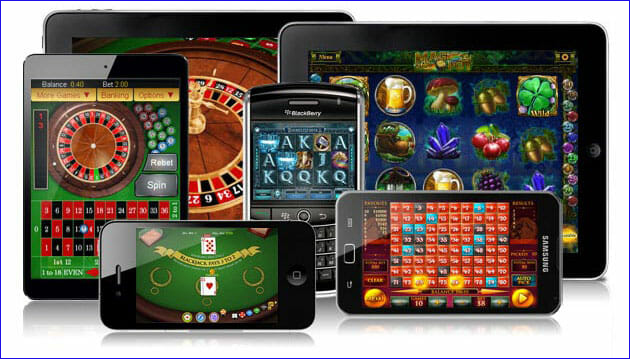
The Enduring Bond: Nostalgic Feelings and Consistent Interaction
Finally, the emotional journey of Book of Kings reaches beyond a single session into the domain of enduring player bond. For many, this slot has become a familiar reference. Its reliability is its advantage. There are no shocks in its rules, no hidden mechanics. This fosters a sense of nostalgic confidence. The emotional response upon returning to the game is often one of ease and familiarity, like rereading a beloved book. The experience is foreseeable in its framework, if not its outcomes. This dependability allows players to impose their own patterns onto it—employing it as a preliminary game, a dependable partner during extended sessions, or a targeted pick when a particular type of feeling is desired. The emotional connection is not so much about wild newness and focused on consistent, understandable interaction. The game becomes a instrument for a specific mood: when a player looks for the peaceful, concentrated tension of a traditional high-variance slot, they are aware Book of Kings will deliver that precise emotional journey. This enduring, foreseeable connection is a proof to how effectively its simple design crafts a thorough and recurring emotional journey.

